Health Benefits of Ghee, the Indian Clarified Butter

Uses of Ghee
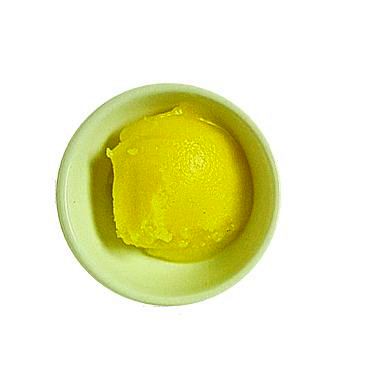
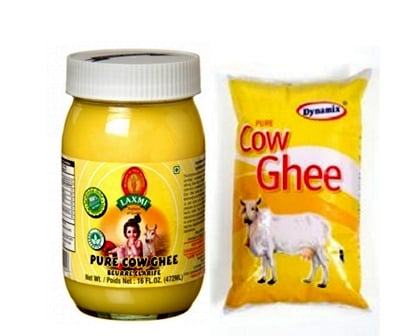
Ghee is the Sanskrit word for clarified butter. Ghee has quite a long history and has been used in Indian cooking for many thousands of years and Hindu rituals. It is composed primarily of saturated fat and made by melting and simmering unsalted butter in a vessel. As the butter melts, it begins to boil. The solids settle to the bottom, while a thicker layer of oil forms in the center. The excess water forms a foamy top layer as it boils away. The watery layer is skimmed off and the cooked and clarified butter is then spooned off without disturbing the layer of solids on the bottom. Allow the Ghee to cool. Ghee does not spoil easily and can be stored for extended periods without refrigeration if it is kept in an airtight container to prevent oxidation and remains moisture-free. A good quality ghee can add to the aroma, flavor and taste to the food. However, the texture, color and taste of ghee depends on the source of the milk from which the butter was made and the extent of boiling. The Cow ghee is yellow in color while the buffalo ghee has off-white cream color. Ghee can be reheated for deep frying and often preferred by many as it will not burn during frying because of its high smoking point.
Significance of Ghee in Hindu Religion
Apart from its wide usage in Indian Cuisine, Ghee also has a very sacred role in Hindu rituals. It is used in lamps while performing Aarti. It is also part of the ‘panchamrit’ which is used Hindu rituals and worship of Hindu Gods.

Health Benefits of Ghee
Ghee has been used for over 2,000 years in Ayurveda which is the ancient natural healing system of India. It can withstand the high heat in baking and is a great way to preserve butter. It has a longer shelf life. Given below are some of the benefits of Butter.
- According to Ayurveda the usage of Ghee is a vital food for healthy skin, mental clarity and digestion. It is used in Indian medicinal practice to help with ulcers, constipation and the promotion of healthy eyes and skin. It is said to be good for increasing memory and is said to balance to the mind and enhance brain function.
- Ghee can be used for the treatment of burns and blisters.
- Ghee is a safer alternative for those who are lactose intolerant.
- Ghee is an easily digestible source of saturated fat that contains no Tran’s fats or hydrogenated fats.
- Ghee contains butyric acid which is said to have anti-cancer and anti-viral properties.
- Ghee contains conjugated linolenic acid which is helpful in losing weight, especially belly fat, and has been known to slow the progress of some types of cancer and heart disease. However, it is advised to use it on moderate quantities.
- Ghee is rich with antioxidants and acts as an aid in the absorption of vitamins and minerals from other foods and strengthens the immune system.
However, people with high cholesterol are advised not to use ghee as it can increase the risk for heart disease.